May 26, 2026
Uncover the scientific truths and everyday misconceptions that surround the quest for a brighter smile. Whitening toothpaste promises consumers a path to whiter teeth without the need for professional treatments. However, the effectiveness and safety of these products often come into question. This aims to demystify whitening toothpaste, providing evidence-based insights to guide users in making informed decisions.
Understanding What Whitening Toothpaste Is
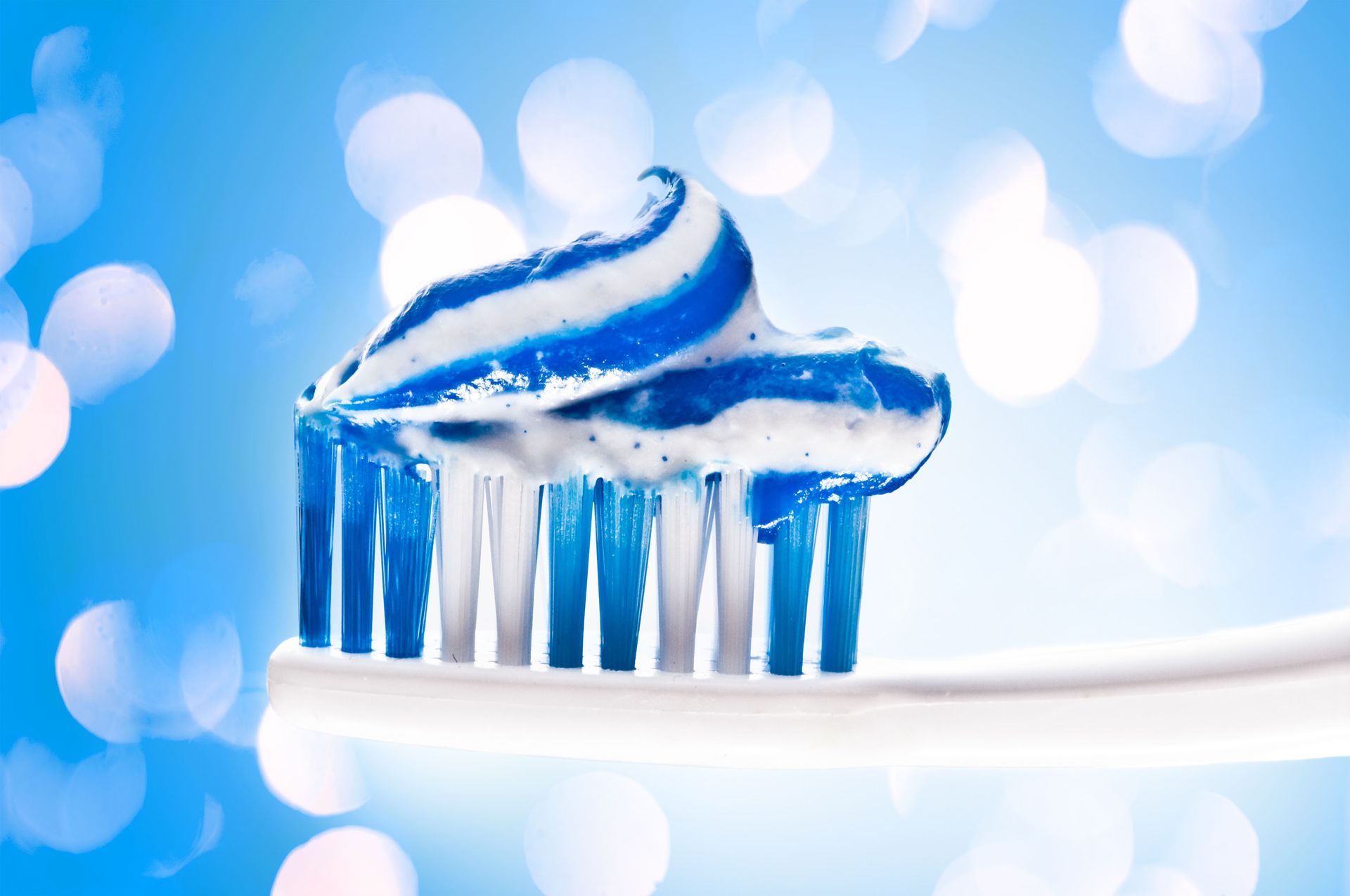
Whitening toothpaste is specially formulated to help remove surface stains from teeth, thereby enhancing their natural whiteness. The main purpose of whitening toothpaste is aesthetic, aiming to improve the appearance of teeth rather than correct underlying dental issues. A local dentist can help patients understand whether these products are a good fit for their goals. It is important to note that while these toothpastes may help lighten teeth, they are not designed to change the natural color of teeth or to whiten stains that lie deeper than the tooth's surface. Many whitening toothpastes often tout their quick results, appealing to those looking for immediate improvements. However, understanding the ingredients and how they work is crucial for setting realistic expectations.
The effectiveness of whitening toothpaste largely hinges on its active ingredients, which commonly include mild abrasives and specific chemicals. Abrasives such as silica are used to scrub the surfaces of teeth to remove stains. In addition to abrasives, peroxide compounds or other chemicals may be included to chemically bleach teeth or break down stains. A local dentist may recommend reviewing product labels before choosing a whitening toothpaste for daily use. Each ingredient plays a role in the toothpaste's overall ability to whiten teeth, but they must be used within regulated limits to avoid damaging enamel. It’s essential to recognize these components and choose toothpaste that balances efficacy with safety.
Whitening toothpaste employs a mix of mechanical and chemical actions to provide a visible difference in tooth coloration. Abrasives in the toothpaste physically scrub away extrinsic stains from the enamel surface, while whitening agents work chemically to lighten the appearance of teeth. Regulatory bodies such as the American Dental Association (ADA) provide guidelines on the permissible levels and types of abrasives and chemicals that can be used in whitening toothpastes. These standards help make sure that products on the market are both effective and safe for regular use. Claim verification by these bodies can guide consumers toward more reliable products, and a local dentist can explain which claims matter most.
Do Whitening Toothpastes Really Work?
Numerous clinical studies have been conducted to evaluate the effectiveness of whitening toothpastes. Results often show that while these products can indeed help in removing surface stains, their ability to change the underlying tooth color is limited. The abrasive agents are effective against stains from food and drink but may fall short against deeper, intrinsic stains. According to a report by the National Institutes of Health, superficial decay affects a significant majority of adults, indicating a large market for these products. However, it is crucial for consumers to differentiate between cosmetic results and genuine dental health improvements.
User testimonials and anecdotal evidence reveal a spectrum of satisfaction with whitening toothpastes. Some users report noticeable improvements in tooth color, especially when used consistently over time. Others highlight minimal changes, often tied to the type and depth of stains. It's important to consider individual variation in tooth coloration and stain types for realistic expectations. A local dentist can help patients compare clinical research with their own oral health history before relying on whitening toothpaste alone.
The long-term effects of whitening toothpastes on oral health are another crucial factor to consider. While many are marketed as daily-use products, prolonged exposure to certain abrasives and chemical components can lead to enamel erosion and increased tooth sensitivity. Comparing these to professional whitening treatments, which can reach intrinsic stains and provide longer-lasting results, highlights their temporary benefits. Dr. Doe recommends consulting with a local dentist to balance cosmetic desires with oral health, supporting the pursuit of both aesthetics and dental well-being.
Potential Risks and Side Effects
The abrasives present in whitening toothpastes, while effective for stain removal, can pose a risk to the enamel. Enamel erosion can occur when these toothpaste products are used excessively or with improper technique. This erosion not only diminishes tooth luster but can also increase sensitivity to temperature and sweetness. Given that 90% of adults experience some form of tooth decay, safeguarding enamel integrity is paramount. Users are encouraged to monitor their sensitivity levels and consult a local dentist if discomfort arises.
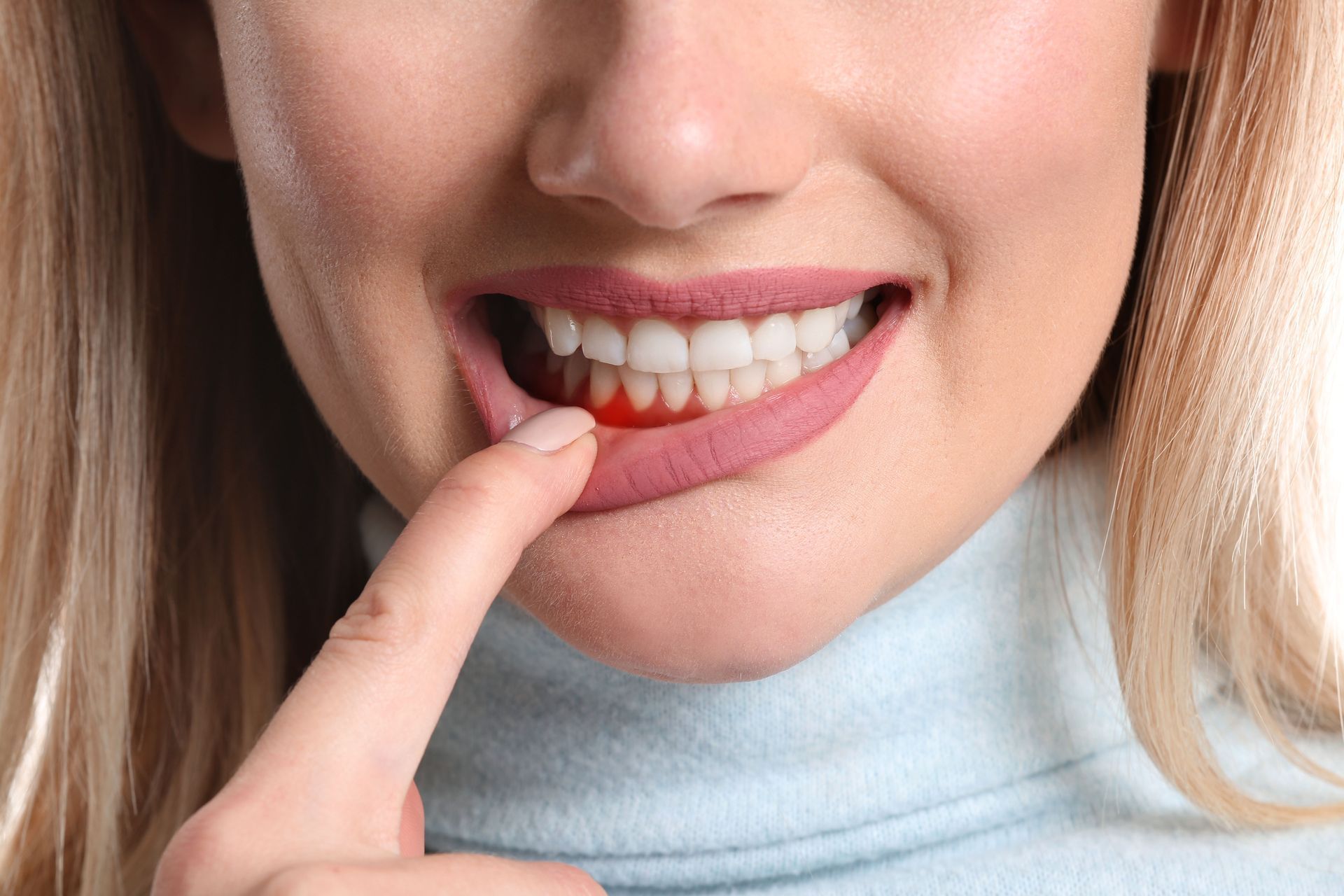
Gum health is another consideration when evaluating the safety of whitening toothpaste products. Aggressive brushing with abrasive pastes may irritate the gingival tissue, leading to inflammation or recession over time. Maintaining healthy gums is essential for overall dental health, and this is especially important while using products that might contribute to gum irritation. It is recommended to use a soft-bristled toothbrush and adhere to gentle brushing techniques. A local dentist often guides patients who experience gum issues to alternative solutions that are less likely to aggravate these conditions.
Potential allergic reactions to ingredients in whitening toothpaste, while rare, are not unheard of. Certain chemical agents used for whitening purposes may cause oral tissue irritation or dermatitis in sensitive individuals. Awareness of product ingredients and a keen observation of any adverse reactions are key to preventing product-related complications. Additionally, it is vital for consumers to have realistic expectations about whitening results, understanding that these products are not a solution for all types of pigmentation. Choosing a toothpaste with ADA approval can help identify safer product alternatives, especially when paired with guidance from a local dentist.
The Role of Lifestyle in Oral Health
Lifestyle choices, particularly dietary habits, have a profound impact on oral health and tooth color. Foods high in pigmentation, such as berries and sauces, alongside beverages like tea and red wine, can lead to staining. Acidic foods and drinks can also weaken enamel, enhancing susceptibility to discoloration. Maintaining a balanced diet, supported with adequate hydration, can mitigate the enamel wear and staining that may necessitate whitening toothpaste use. Dr. Doe advises her patients to view diet as a first defense against unwanted tooth pigmentation.
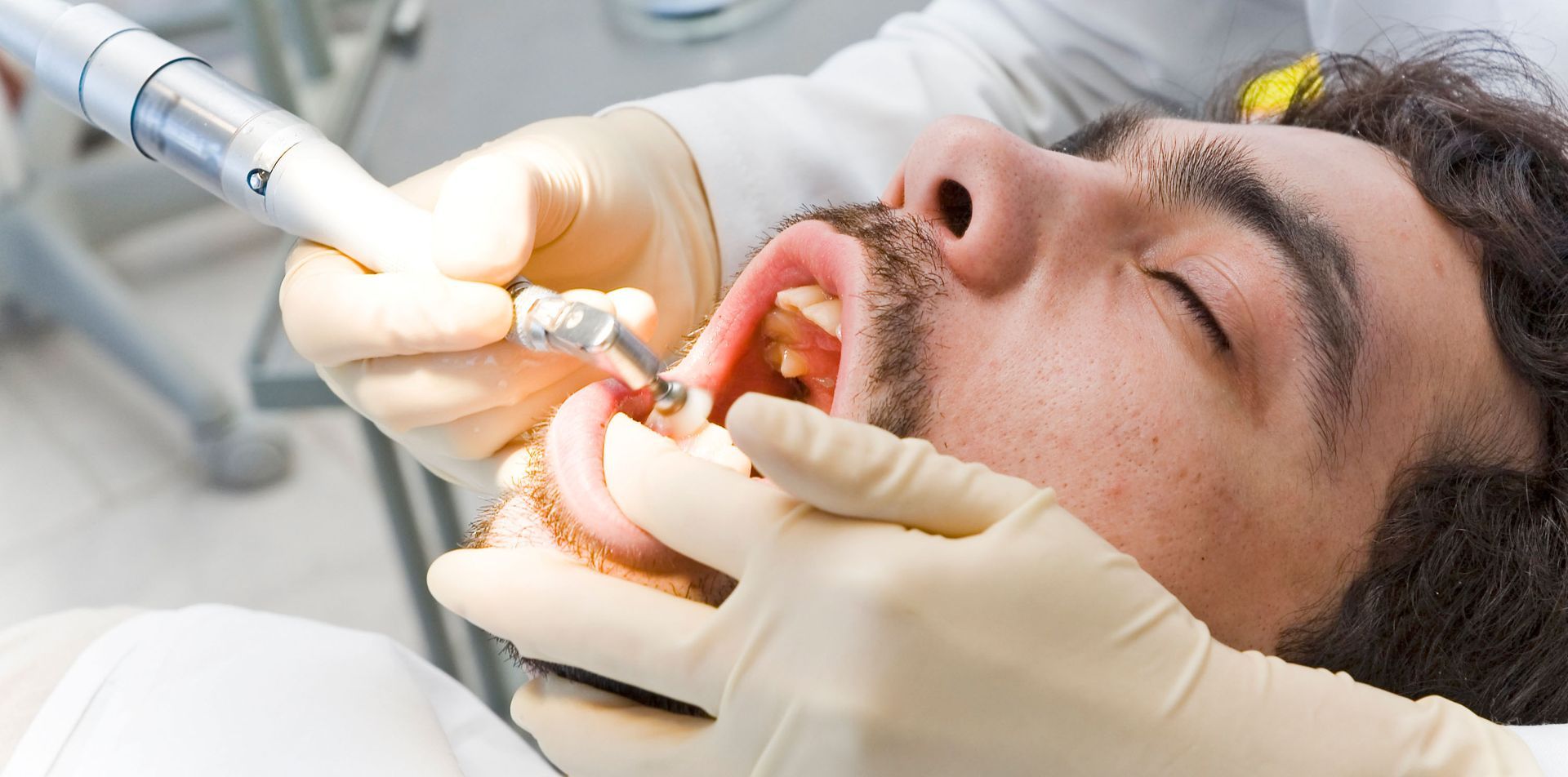
Regular dental check-ups are crucial for preventing oral health issues and maintaining tooth color. Professional cleanings can help remove tartar and surface stains, while examinations can identify early signs of decay or erosion, which can complicate aesthetic goals. A visit to the dentist every six months is generally recommended, although individual needs may dictate a different frequency. Consistent professional oversight complements at-home oral care routines, providing a comprehensive approach to maintaining a healthy, white smile. Working with a local dentist can also reduce the need for frequent reliance on whitening products.
Daily oral hygiene practices are fundamental in sustaining tooth whiteness and promoting overall dental health. Brushing twice daily with fluoride toothpaste and flossing can remove plaque and prevent stain accumulation. Nevertheless, habits such as smoking or frequent coffee consumption can undermine these efforts by contributing to staining. Implementing preventive strategies, such as quitting smoking or drinking through a straw to limit contact with teeth, can reduce these risks. Long-term commitment to dental hygiene provides more benefits than cyclical use of whitening aids.
The efficacy and safety of such products depend on active ingredients and usage patterns. Understanding individual dental needs and seeking professional advice fosters informed choices and helps maintain not just a bright smile, but a robust oral health profile. With a well-rounded approach combining product knowledge, lifestyle adjustments, and care from a local dentist, a healthy, attractive smile is feasible. The journey to dental health emphasizes prevention, responsible product use, and regular professional consultations. Contact Moriches Dental Associates today to learn more.