September 2, 2026
Dental health is a crucial component of overall well-being, acting as both a preventive and corrective measure for a variety of health issues. Regular engagement with dental services promotes not just the health of your teeth, but also integral bodily functions that connect to heart health, digestion, and beyond. Without proper attention to oral health, problems such as cavities, gum disease, and systemic conditions can arise. Therefore, it’s essential to understand the scope of dental services and the vital role they play in long-term health maintenance. This guide explores the vast array of dental services available and underscores the importance of integrating them regularly into one’s health care routine.
1. Understanding Basic Dental Services
1.1 Routine Check-Ups
Routine dental check-ups are a cornerstone of preventive oral health care. During these appointments, dentists conduct thorough examinations to identify issues such as cavities, gum disease, or oral cancer. These visits also allow for professional cleaning to remove built-up plaque and tartar which cannot be addressed by normal brushing. Regular check-ups, ideally every six months, are proactive measures that help prevent more serious and costly problems down the line. They also provide an opportunity for dentists to offer personalized advice on maintaining oral health at home.
1.2 Dental Cleanings
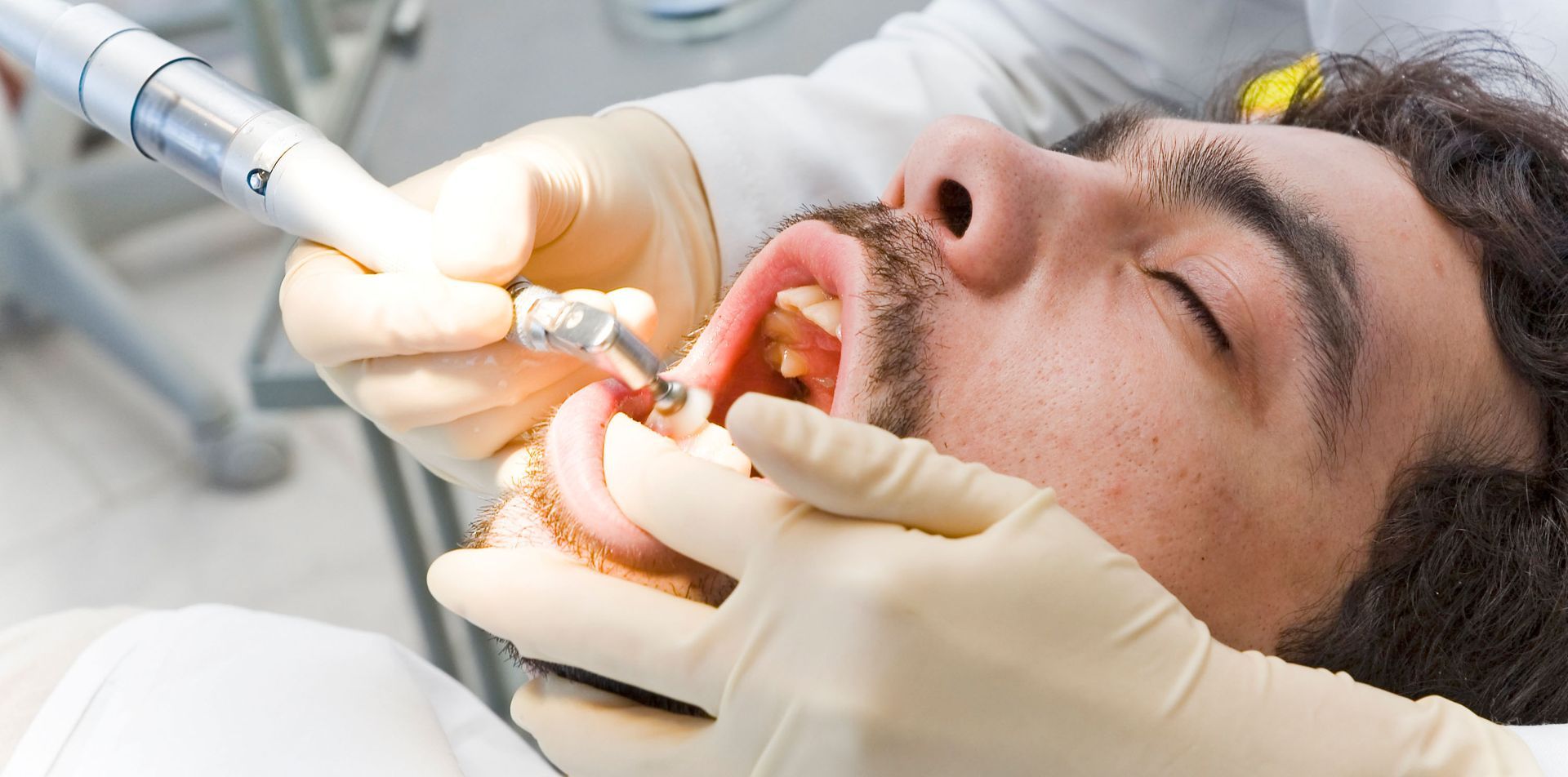
Professional dental cleanings are essential for maintaining oral hygiene and preventing periodontal diseases. These cleanings, conducted by dental hygienists, involve scaling and polishing the teeth to remove plaque, tartar, and stains. A critical part of this process includes fluoride treatment, which helps to strengthen the enamel and protect teeth against decay. According to the WHO, promoting the brushing of teeth twice a day with fluoride toothpaste containing 1000 to 1500 ppm is crucial. This emphasis on professional cleanings complements daily oral care practices and significantly contributes to overall oral health.
1.3 X-Rays and Diagnostics
X-Rays form an indispensable part of dental diagnostics, allowing dentists to see issues not visible during a regular visual examination. These diagnostic tools can reveal cavities, abscesses, impacted teeth, and bone loss, among other conditions. With digital X-rays, dental professionals can capture detailed images with lower radiation exposure compared to traditional X-ray methods. Diagnostics such as these are crucial in creating effective treatment plans. Ensuring regular diagnostic assessments can prevent minor issues from becoming major health problems.
1.4 Fillings and Restorations
Fillings and restorations are critical procedures for repairing damaged teeth due to cavities or trauma. Fillings involve removing decayed material and replacing it with substances like amalgam or composite resins. Restorations such as crowns, inlays, and onlays provide additional support and protection for compromised teeth. These interventions are designed not just to restore function, but also to improve the aesthetic of the affected teeth. Immediate attention and corrective care through fillings and restorations can save teeth from extraction and provide a normal function.
1.5 Fluoride Treatments
Fluoride treatments serve as a preventive measure to ward off tooth decay and strengthen the enamel. They are particularly beneficial for those at high risk of cavities. The application is simple and involves a professional coating of fluoride gel or varnish on the teeth, typically during a regular dental appointment. These treatments are swift, painless, and crucial, particularly for children, in solidifying enamel after cleaning or other dental procedures. By adopting both fluoride treatments and proper home care, as advised by dental professionals, individuals significantly enhance tooth durability.
2. Exploring Preventive Dental Care
2.1 Sealants
Dental sealants are a proactive preventive service aimed primarily at children. They involve applying a thin, protective coating on the chewing surfaces of back teeth, particularly molars and premolars. Sealants act as a barrier against plaque and food particles, significantly reducing the risk of cavities. This process is painless, cost-effective, and serves as an additional safeguard alongside fluoride treatments and regular brushing. The application of sealants is recommended soon after the emergence of molars for optimal protection.
2.2 Oral Hygiene Education
Oral hygiene education forms a fundamental part of preventive dental care. Educating patients on proper brushing and flossing techniques aids in the maintenance of clean, healthy teeth. Professionals emphasize the importance of choosing the right toothbrush, toothpaste, and understanding the benefits of fluoride. Consistent oral hygiene practices help in preventing plaque buildup and related oral health problems. This education is a continual learning process reinforced during every dental visit, ensuring patients receive up-to-date knowledge on best practices for oral health maintenance.
2.3 Dietary Counseling
Dietary choices have a profound impact on oral health, making dietary counseling a key component of preventive care. Dentists can provide valuable insights into foods that promote healthier gums and teeth and those to avoid to reduce the risk of cavities. They often recommend a diet low in sugars and high in calcium, phosphates, and vitamins. This aspect of care is essential for all patients, especially for growing children and seniors with specific dietary needs. Guided dietary counseling empowers individuals to make informed decisions, enhancing overall health outcomes.
2.4 Regular Assessments
Frequent dental evaluations are fundamental in monitoring the status of oral health. These assessments help dentists identify potential issues early, reducing the risk of more complex conditions. In a typical assessment, dentists examine teeth, gums, and tissue to check for signs of disease or abnormalities. Radiographs and clinical observations form the backbone of these regular check-ups. Through continuous monitoring, dentists play a proactive role in maintaining their patients' oral health proactively, adjusting treatment plans as needed.
2.5 Early Intervention
Early intervention in dental care involves addressing potential issues at the onset, fostering better long-term outcomes. This approach minimizes the need for extensive treatments, thus saving time and cost. The process includes monitoring developing problems such as misaligned teeth in children or initial signs of cavities in anyone. Through patient education and timely procedures, dentists aim to correct issues before they evolve into more severe conditions. Advocating for early intervention ensures healthier smiles and overall oral health benefits.
3. Delving into Cosmetic Dentistry
3.1 Teeth Whitening
Teeth whitening is a popular procedure within cosmetic dentistry, aimed at improving the aesthetic appearance of teeth. This process involves the use of bleaching agents that lighten discoloration and remove stains resulting from food, drink, or smoking. Several options are available, ranging from in-office treatments to take-home kits provided by dental practitioners. While the procedure is largely aesthetic, it can enhance self-esteem and encourage better daily oral hygiene practices. Whitening also contributes to a younger-looking smile, promoting a sense of renewed self-confidence.
3.2 Veneers
Veneers are thin, custom-made shells designed to fit over the front surface of teeth, improving their appearance. Ideal for correcting blemishes such as chips, cracks, discoloration, and uneven spacing, veneers can transform a smile effortlessly. Crafted from porcelain or resin composites, these durable fixtures mimic the natural appearance of enamel. The procedure involves minimal removal of tooth enamel, ensuring a less invasive option for a perfect smile. Veneers offer a long-lasting solution to various cosmetic dental issues, providing enhanced aesthetics and functionality.
Understanding the wide array of dental services available is crucial to optimizing oral health at every life stage. From basic check-ups and cleanings to cutting-edge innovations in dental technology, each service plays a vital role in maintaining overall health. Preventive and corrective procedures alike ensure that individuals receive the most effective care tailored to their needs. By embracing regular dental visits and utilizing advancements in technology, patients are empowered to take charge of their oral health. Be sure to reach out to Moriches Dental Associates today to learn more about our professional dental services!