September 22, 2026
Dental pain has a way of arriving at the worst possible moment—late at night, during a holiday weekend, or right before an important event. When a toothache turns severe or an accident damages your smile, knowing what emergency dental services actually involve can make a frightening situation far more manageable. Understanding the process ahead of time helps you act quickly, make informed decisions, and avoid unnecessary complications while you wait for professional help.
This guide walks through what qualifies as a dental emergency, why timing matters so much, and what you can expect from emergency dental services when you finally sit down in the chair. Whether you're dealing with a knocked-out tooth, a dental abscess, or jaw pain that won't quit, having a clear picture of the process can ease your anxiety and help you get the relief you need.
Recognizing When You Need Emergency Dental Services
Not every ache or irritation requires an emergency visit, but certain symptoms should never be ignored. A severe, persistent toothache is one of the clearest signals that something is wrong beneath the surface—whether it's decay reaching the nerve, an infection, or a cracked tooth. Swollen or bleeding gums, particularly when accompanied by pain, can point to an infection that needs prompt attention rather than a wait-and-see approach.
Physical trauma is another obvious trigger. A chipped or broken tooth, a knocked-out tooth, or any trauma to the mouth or face from a fall, sports injury, or accident calls for immediate dental services rather than a scheduled appointment weeks down the line. Similarly, a loose or displaced filling can expose sensitive tooth structure to bacteria and temperature changes, causing pain that worsens quickly if left untreated.
Jaw pain or swelling and dental abscesses deserve particular attention because they can indicate infections that, left unaddressed, may spread beyond the mouth. If you're experiencing any combination of these symptoms, it's time to seek emergency dental services rather than trying to manage the pain at home with over-the-counter remedies alone.
Understanding Why Timing Matters in Emergency Dental Services
When a dental emergency strikes, the clock starts ticking in more ways than one. Prompt access to emergency dental services can be the deciding factor between saving a tooth and losing it permanently. The longer an infection or injury goes untreated, the more likely it is to cause lasting damage to the surrounding teeth, gums, and bone structure.
Acting quickly also reduces the risk of infection spreading. A minor issue—like a small crack or a mild infection—can escalate into something far more serious, including abscesses that threaten not just your oral health but your overall well-being. Emergency dental services are designed to intervene at exactly this stage, alleviating pain and discomfort quickly while addressing the root cause of the problem.
Beyond the immediate relief, prompt treatment often means less invasive and less costly care down the road. A tooth treated early might only need a filling or root canal, while the same tooth left untreated for weeks might require extraction. Timely emergency dental services also increase the chances of restoring your smile and confidence without extensive reconstructive work, and they help ensure that healing and recovery proceed as smoothly as possible.
Gum health, in particular, deserves special attention because problems often develop silently before becoming painful. According to the National Institute of Health, roughly half of adults between the ages of 45 and 64 experience some form of gum disease. That statistic underscores just how common periodontal issues are and why sudden pain, swelling, or bleeding in the gums shouldn't be dismissed as a minor inconvenience. What feels like an isolated problem may actually be a sign of a much broader issue that requires professional evaluation.
Preparing Yourself Before You Arrive for Emergency Dental Services
Knowing what to do in the moments before you reach the dentist's office can make a real difference in the outcome. If you've knocked out a tooth, try to keep it moist—either in your mouth (if you can do so safely) or in a small container of milk—and get to a provider offering emergency dental services as quickly as possible. Time is critical in these situations, as the likelihood of successfully reattaching a tooth decreases rapidly with every passing hour.
For a chipped or broken tooth, rinse your mouth gently with warm water and save any broken pieces if you can find them. Avoid chewing on the affected side, and apply a cold compress to the outside of your cheek if there's swelling. If you're dealing with a loose or displaced filling, avoid eating sticky or hard foods that could dislodge it further, and try to keep the area clean until you can be seen.
It's worth noting that home remedies should never replace professional care. While rinsing with warm salt water or applying a cold compress can provide temporary comfort, these measures are not substitutes for proper diagnosis and treatment. Attempting to manage a serious dental issue on your own—or delaying care in hopes that the pain will resolve itself—can allow underlying problems to worsen substantially.
Trusting Professionals to Guide Your Emergency Dental Services
One of the most important things to understand about dental emergencies is that they require the judgment and skill of trained professionals. Diagnosing the source of tooth or jaw pain isn't always straightforward, even when the symptoms seem obvious. A dentist experienced in emergency dental services can quickly determine whether you're dealing with an infection, a fracture, nerve damage, or something else entirely, and then recommend the appropriate course of treatment.
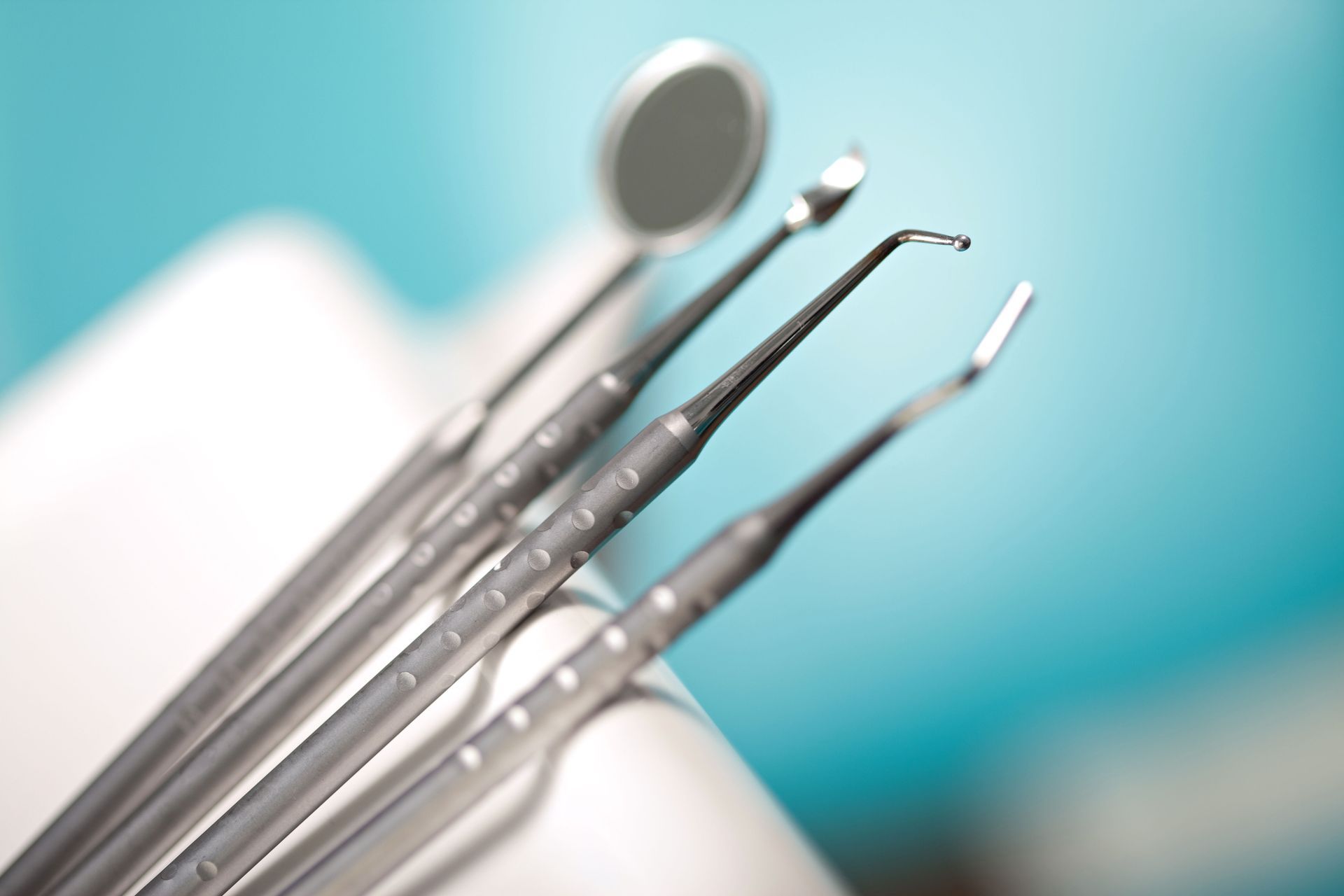
This is especially important because some conditions that seem minor on the surface—like a small chip or mild sensitivity—can actually signal deeper structural damage. Attempting to self-diagnose or relying on generic advice found online can lead to delayed treatment and worse outcomes. Working with an experienced team means you benefit from digital dental X-rays and other diagnostic tools that reveal what's happening beneath the surface, allowing for a treatment plan tailored to your specific situation rather than a guess.
Professional emergency dental services also matter when it comes to procedures like extractions or oral surgery. These are not tasks to attempt at home or postpone indefinitely; a qualified provider ensures that any necessary extraction or surgical intervention is performed safely, with proper anesthesia, sterilization, and aftercare instructions.
Knowing What Happens During Your Emergency Dental Services Visit
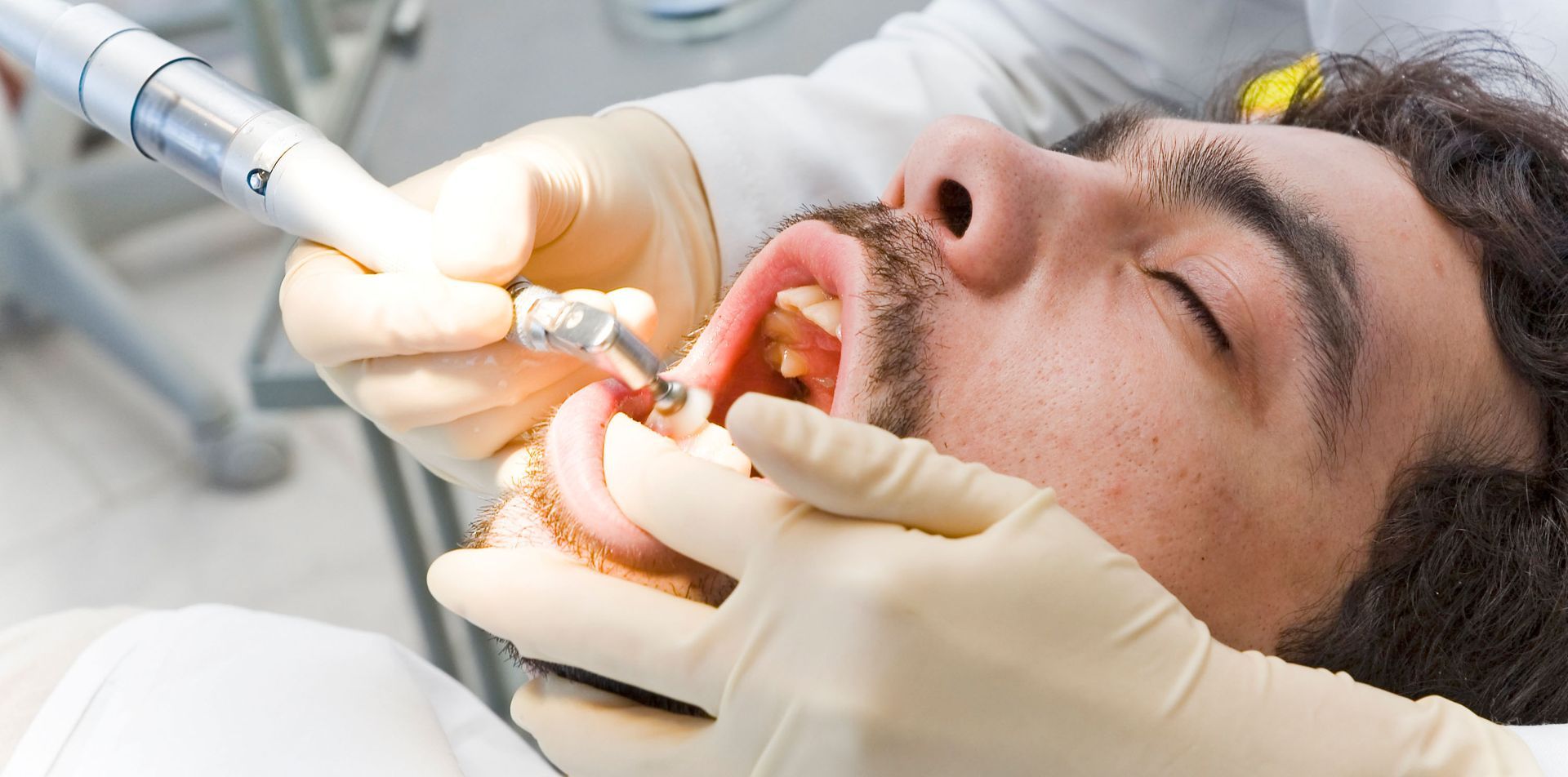
When you arrive for an emergency appointment, the process typically begins with a thorough evaluation of your symptoms and a review of your dental and medical history. From there, diagnostic imaging—such as digital X-rays—may be used to get a clear picture of what's happening below the gumline or inside the tooth itself.
Once the source of the problem is identified, your provider will discuss treatment options with you, explaining the benefits and trade-offs of each so you can make an informed decision about your care. Depending on the diagnosis, this might involve pain management, a filling, a root canal, an extraction, or another form of oral surgery.
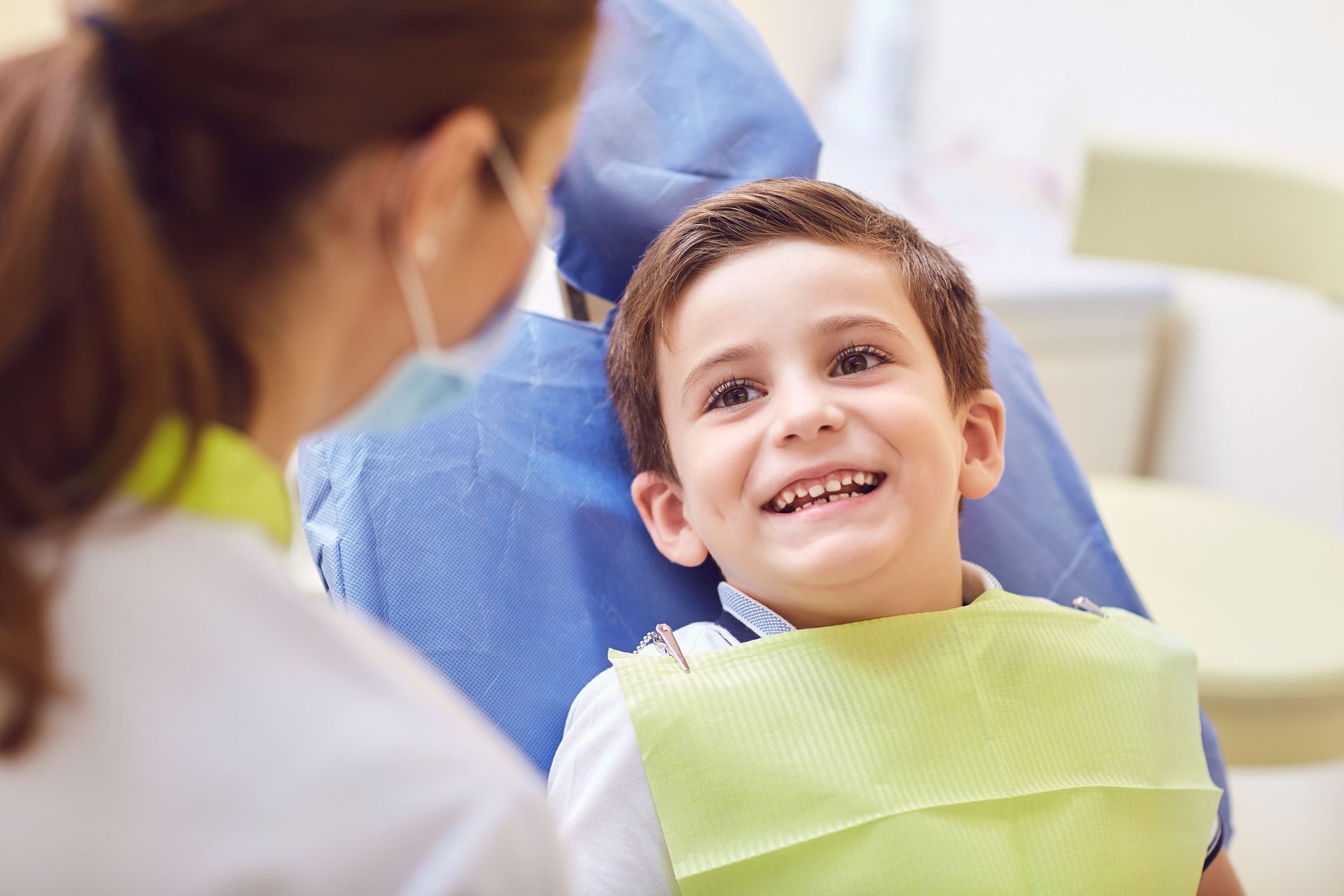
Patient comfort should remain a priority throughout this process. A good provider will explain each step, answer your questions, and work to minimize anxiety, particularly since dental emergencies are often accompanied by stress and fear. Flexible payment or financing options can also make a significant difference for patients who are uninsured or facing unexpected costs, since dental emergencies rarely arrive at a convenient financial moment.
Dental emergencies are stressful, painful, and often unpredictable, but knowing what to expect can make all the difference in how quickly and effectively you get relief. From recognizing the warning signs to understanding why prompt treatment matters, being informed empowers you to act decisively rather than delaying care out of uncertainty or fear. Above all, dental emergencies are not something to manage alone—professional evaluation and treatment remain the safest, most reliable path to protecting your oral health and preventing small issues from becoming major ones.
If you're experiencing a toothache, injury, or any of the warning signs discussed above, don't wait for the pain to pass on its own. We at Moriches Dental Associates are here to provide the prompt, compassionate care you need when a dental emergency strikes. Reach out to us today, and let our experienced team help you get back to feeling like yourself again.