June 12, 2026
Dental care includes more than one type of treatment, and understanding the difference between preventive care and cosmetic care can help patients make more informed decisions about their oral health. Preventive care focuses on keeping teeth, gums, and the mouth healthy before problems develop. Cosmetic care focuses on improving the appearance of the smile through treatments that enhance color, shape, spacing, alignment, or overall balance. While these categories have different goals, they often work together to support a healthy and confident smile.
Many patients wonder whether they should prioritize routine cleanings, exams, and protective treatments or explore options that improve the look of their teeth. In most cases, preventive care should come first because a healthy foundation is essential for long-lasting cosmetic results. Once oral health is stable, cosmetic dental services can help patients address aesthetic concerns and feel more comfortable with their smiles. Knowing what each type of care offers can make it easier to choose the right treatment path.
Understanding Preventive Dental Care
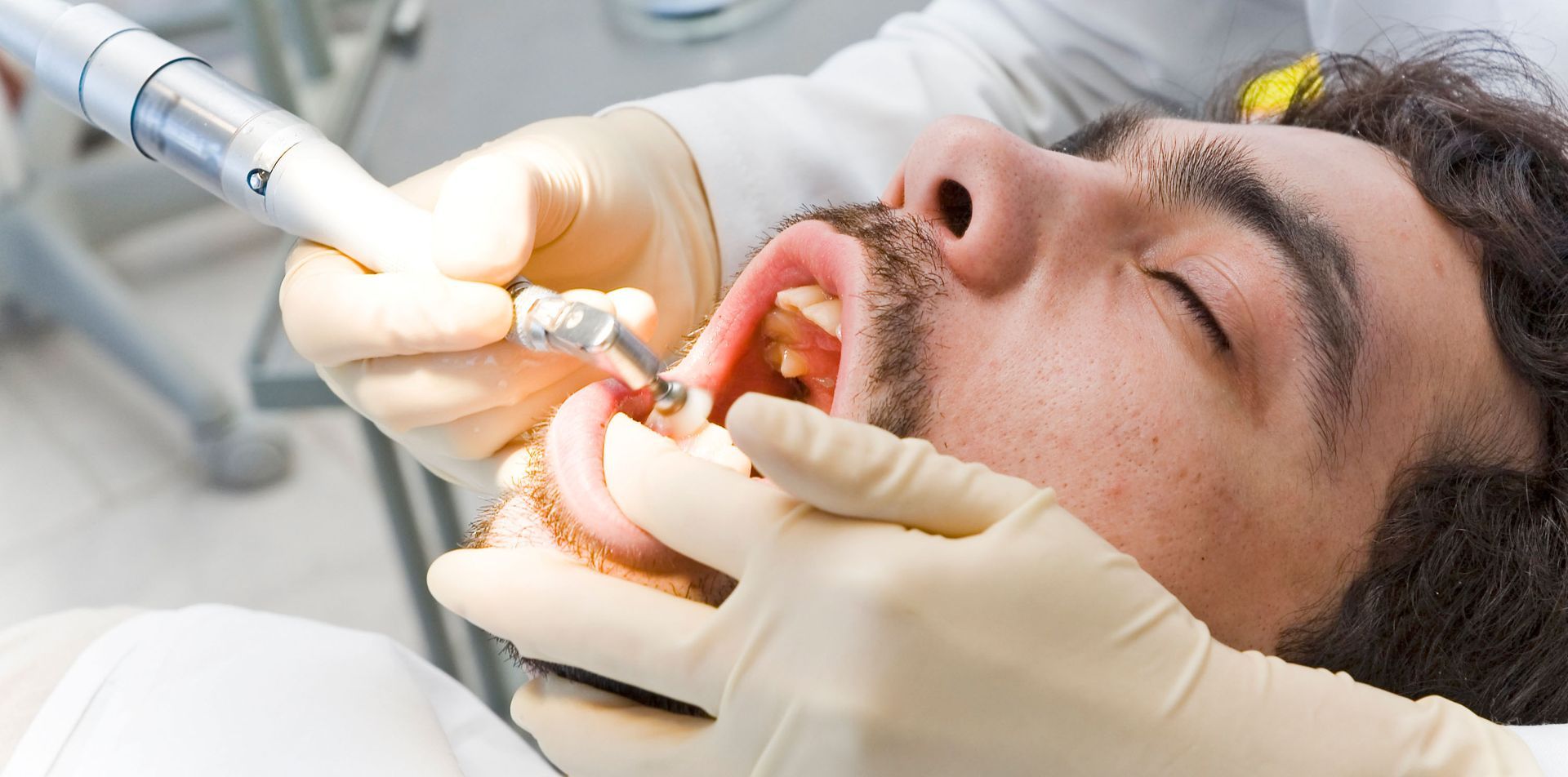
Preventive dental care is designed to stop problems before they become serious. This includes routine cleanings, dental exams, X-rays, fluoride treatments, sealants, oral cancer screenings, and patient education. These services help dentists detect early signs of tooth decay, gum disease, enamel wear, infection, and other concerns that may not be obvious at home. By identifying issues early, patients can often avoid more complex and costly treatment later.
Daily habits are also an important part of preventive care. Brushing twice a day, flossing regularly, limiting sugary foods and drinks, and visiting the dentist on a consistent schedule all help protect oral health. Preventive care is not only about avoiding cavities; it also supports gum health, fresh breath, bite function, and long-term tooth retention. A strong preventive routine gives patients the best chance of maintaining a healthy smile throughout life.
Understanding Cosmetic Dental Care
Cosmetic dental care focuses on improving the appearance of the teeth and smile. Common treatments may include whitening, bonding, veneers, enamel shaping, tooth-colored restorations, gum contouring, and other smile-enhancing options. These services can address stains, chips, gaps, uneven edges, worn enamel, small teeth, discoloration, or other features that affect how a person feels about their smile.
Cosmetic dental services are often personalized because every smile is different. A dentist may consider facial shape, tooth color, gumline, bite alignment, and overall oral health before recommending a treatment plan. The goal is not simply to create brighter teeth but to create a natural-looking result that fits the patient’s features. When carefully planned, cosmetic care can improve confidence while still supporting function and comfort.
Comparing Treatment Goals
The main difference between preventive and cosmetic care is the purpose of treatment. Preventive services are focused on health, protection, and early detection. They help reduce the risk of cavities, gum disease, infections, tooth loss, and other oral health problems. These treatments are often recommended for patients of all ages because everyone benefits from regular monitoring and maintenance.
Cosmetic dental services are focused on appearance and smile enhancement. While some cosmetic treatments may also improve function or protect damaged teeth, their primary purpose is to improve how the smile looks. For example, a dental veneer may cover discoloration or reshape a tooth, while bonding may repair a small chip and improve symmetry. The best approach depends on the patient’s current oral health, personal goals, and treatment priorities.
Building a Healthy Foundation
Before beginning cosmetic treatment, patients usually need a healthy foundation. If cavities, gum disease, infections, or bite problems are present, those concerns should be addressed first. Placing cosmetic restorations on unhealthy teeth or gums can lead to poor outcomes, discomfort, or shortened treatment longevity. Preventive and restorative care help create the stable base needed for successful cosmetic improvements.
This is why dental exams are so important before starting any smile makeover. A dentist can evaluate the condition of the teeth and gums, discuss concerns, and determine whether preventive or restorative treatment is needed first. Once the mouth is healthy, cosmetic dental services can be planned with greater confidence. A healthy foundation helps cosmetic results look better, feel better, and last longer.
Improving Smile Appearance
After oral health needs are addressed, cosmetic treatment can help patients improve the features they notice most. Some people want a whiter smile, while others want to correct chips, gaps, uneven tooth shapes, or discoloration that does not respond well to whitening. Cosmetic dentistry offers different options depending on the concern, budget, timeline, and desired result.
For example, whitening may be a good option for surface stains, while bonding may be used for minor chips or small gaps. Veneers may be recommended for more dramatic changes to tooth color, size, or shape. According to PubMed Central, dental veneers are known for their durability, with some studies showing success rates exceeding 90% after more than 10 years. This shows why careful planning and proper maintenance are important for long-term cosmetic success.
Maintaining Cosmetic Results
Cosmetic treatment does not replace the need for preventive care. Even after whitening, bonding, veneers, or other smile improvements, patients still need routine cleanings and exams. Plaque buildup, gum inflammation, cavities, and bite changes can affect both natural teeth and cosmetic restorations. Regular dental visits help protect the investment patients make in their smiles.
At-home habits also influence how long cosmetic results last. Patients may be advised to avoid chewing ice, limit staining foods and drinks, wear a nightguard if they grind their teeth, and use recommended oral hygiene products. Cosmetic dental services can create noticeable improvements, but maintenance helps preserve those improvements. Preventive care and responsible habits are essential for keeping the smile healthy and attractive over time.
Choosing the Right Treatment Path
The right dental treatment path depends on each patient’s health, concerns, and goals. A patient with gum inflammation or untreated decay may need preventive or restorative care before considering cosmetic changes. Another patient with healthy teeth and gums may be ready to discuss whitening, bonding, or veneers. A personalized consultation helps determine where to begin.
Patients should be honest about what they want to change and open to professional recommendations. Sometimes a small preventive or restorative step can make cosmetic treatment safer and more effective. In other cases, cosmetic dental services may be the final step after years of maintaining good oral health. The best treatment plan balances health, appearance, comfort, and long-term value.
Combining Health and Confidence
Preventive care and cosmetic care are not competing choices. Instead, they serve different but complementary roles. Preventive care protects the health of the mouth, while cosmetic care enhances the look of the smile. When combined thoughtfully, they can help patients enjoy teeth that are not only attractive but also strong, comfortable, and functional.
A confident smile often begins with good oral health. Clean teeth, healthy gums, and early treatment of problems make cosmetic improvements more predictable. Cosmetic dental services can then build on that foundation by addressing the details patients want to improve. Together, these forms of care can support both long-term wellness and greater self-confidence.
Preventive care and cosmetic care each play an important role in modern dentistry. Preventive services help protect teeth and gums from disease, while cosmetic treatments improve the appearance of the smile once oral health is stable. Patients who understand the difference can make better choices and plan treatment in the right order. Whether you need routine care, want to explore cosmetic dental services, or are ready to create a healthier and more confident smile, contact Moriches Dental Associates.